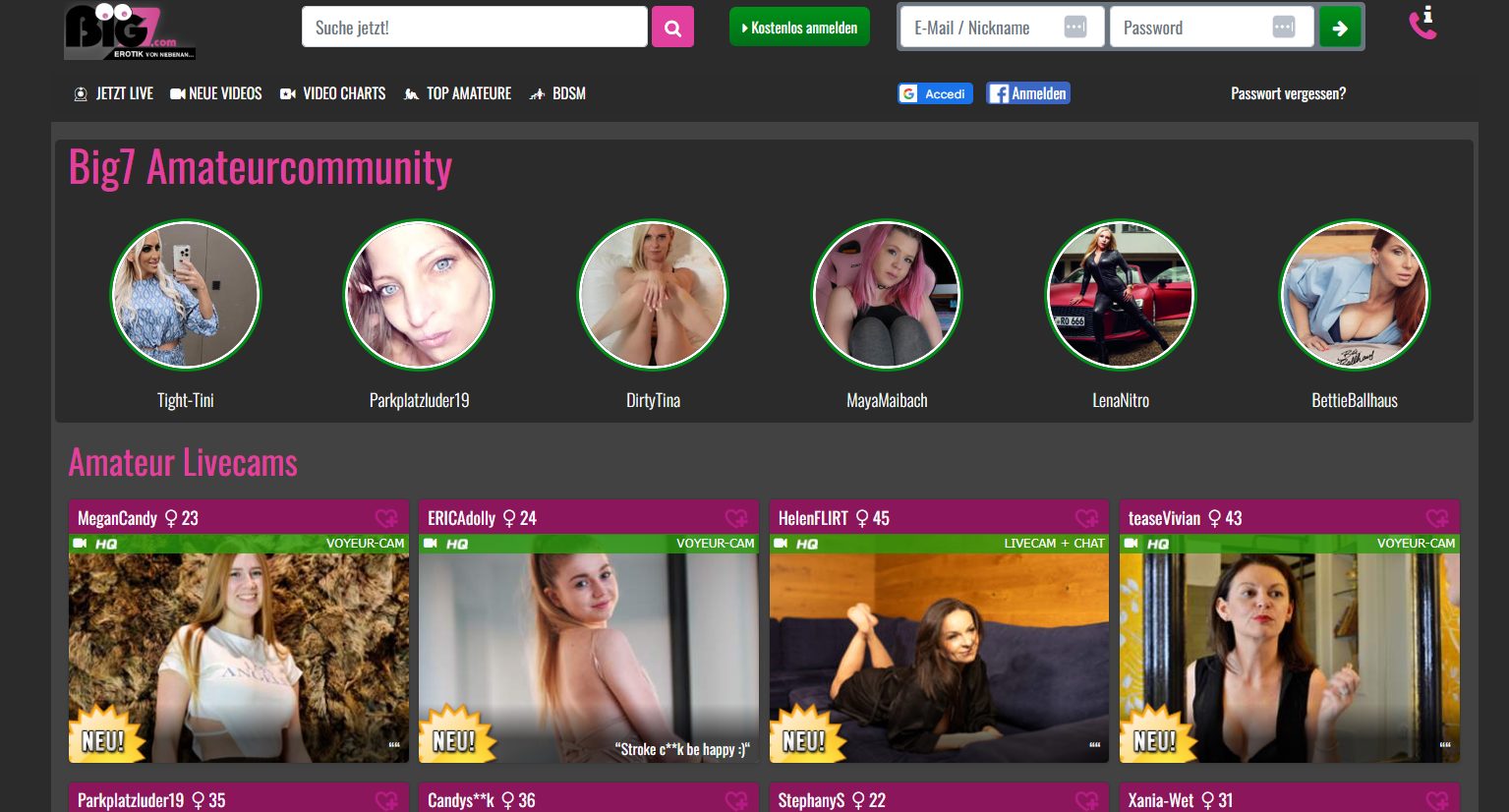
Watching live cam shows for the first time can feel confusing. You see rooms, tokens, tips, private buttons, and a signup form asking for your email and card details all at once. This guide walks a first-time viewer in the Philippines through the whole flow the professional way: how to pick a platform you can trust, how to open an account without exposing who you really are, what the room mechanics actually mean, how to pay without getting burned, and how to spot the scams that target beginners. Nothing here is technical jargon you need a background for. It is the checklist an experienced viewer runs through quietly every time.
Paano Pumili ng Reliable na Cam Platform
Before you type a single character into a signup box, decide whether the site itself deserves your trust. A reliable adult cam platform has a few consistent signals. It has been operating publicly for years, it has a real support channel and published billing terms, and its payments are handled by a named, recognizable payment processor rather than a random personal wallet. The address bar shows the correct, correctly spelled domain and a valid HTTPS padlock on every page, not just the homepage.
Be careful with links that arrive through chat apps, comments, or ads promising “free” access to a famous site. Type the address yourself or use a bookmark you saved earlier. Large, established platforms such as this well-known live cam platform publish their terms and run standard billing, which makes them a safer starting point than an unknown site you have never heard of. Whatever you choose, judge it on transparency and track record, not on how aggressive its marketing is.
Gumawa ng Account Nang Hindi Ino-expose ang Tunay na Identity Mo
You almost never need to broadcast your real name to watch shows. Treat your viewer identity as separate from your everyday life from the very first step. Create a dedicated email address used only for this purpose, and pick a username that has no connection to your real name, workplace, school, or the handles you use on mainstream social media. Do not reuse the same photo, bio, or nickname you use elsewhere, because reverse image and username searches can link accounts together instantly.
Give the site only what it genuinely requires. A viewer account generally needs an email, a username, a password, and a payment method. It does not need your home address in your public profile, your phone contacts, or your personal social accounts. Use a long, unique password that you do not use anywhere else, and store it in a password manager so you never have to reuse a weaker one. The less real-world information the account holds, the less there is to leak if something ever goes wrong.
Intindihin ang Public Rooms, Private Shows, Tips at Tokens
The room mechanics are simpler than they look once you separate the pieces. A public room is open to everyone; you can watch and read the chat, often without paying, though interaction is shared with a crowd. A private show is a one-on-one or limited session you request and pay for by the minute or as a set booking, giving you direct attention. Tips are voluntary amounts you send inside a public room to show appreciation or to trigger something a performer has set up. Tokens are the platform’s internal credit: you buy a balance of tokens first, then spend them on tips and private time.
The important habit is to understand what a token is worth on the platform you chose and to only load what you plan to spend, the same way you would with any prepaid credit. If you want a deeper look at how buying credit and paying performers actually works, the walkthrough on buying tokens and payment strategies breaks the process down step by step. Knowing the mechanics in advance keeps you from tapping buttons blindly and overspending on your first night.
Ligtas na Payment: Domain, HTTPS at Statement Descriptor
Payment is where beginners lose the most, so slow down here. Before entering card details, confirm three things. First, the domain in the address bar is exactly correct with no extra words, hyphens, or misspellings. Second, the connection is HTTPS with a valid padlock on the actual payment page. Third, you understand what will appear on your bank or card statement: reputable platforms use a discreet, neutral billing descriptor, and their billing page usually tells you what that descriptor will be so the charge is not a mystery later.
Expect a possible international transaction fee, since many of these platforms bill from abroad; that fee comes from your bank, not the site, and it is normal. Here is the honest part beginners are rarely told plainly: legitimate platforms do not accept payment directly through personal GCash or Maya transfers, and they do not pay or refund performers into your GCash or Maya either. Anyone insisting you pay a performer or “unlock” a show by sending money to a personal e-wallet number is running a scam, full stop. Pay only through the platform’s own on-site checkout. For a broader view of how payment and risk fit together on a real platform, this breakdown of privacy, payment, and scam risks is worth reading before your first purchase.
Protektahan ang Privacy at Account Security Mo
Once your account exists, harden it. Turn on two-factor authentication so that even a stolen password is not enough to get in; the guide to setting up two-factor authentication shows exactly how. Keep your viewer email locked down with its own strong password and 2FA, because whoever controls that inbox can reset everything else.
Mind your device, too. Avoid logging in on shared or public computers, keep your browser and operating system updated, and be cautious about browser extensions that can read page content. Review what your public profile actually shows to other users, and remember that anything you type in a public chat is visible to the whole room. Understanding how a platform handles the data you hand over is part of protecting yourself, and the overview of how a platform protects your data explains the mechanisms in plain terms. Privacy is not one setting you flip once; it is a habit of sharing less than you are asked for.
Paano Makilala ang mga Scam: Fake Recruiters, Token Sellers at OTP
Scammers follow predictable patterns, and once you know the shapes you will spot them fast. Fake recruiters slide into your messages promising easy earnings or VIP access if you first pay a “registration,” “training,” or “verification” fee. Real platforms never charge you to join as a viewer, and no legitimate opportunity requires an upfront payment to a personal account. Token sellers offer cheap or “generated” tokens outside the official checkout; these are either stolen, non-existent, or a trap to grab your card. Buy credit only inside the platform. The reality behind the “free token” pitch is laid out in the piece on why no token generator actually works.
The most damaging trick is the OTP scam. A one-time password sent to your phone or email is the key to your account or your money, and no legitimate staff member, performer, or “support agent” will ever ask you to read it out or forward it. Anyone requesting your OTP is trying to hijack your account or authorize a charge. Never share it, and be suspicious of any urgent message pushing you to act in seconds. For scam patterns that specifically target viewers and workers in the Philippines, including e-wallet and recruiter tricks, read the local guide on avoiding cam scams involving fake recruiters and token sellers. When something feels rushed or too generous, that feeling is the warning.
FAQ: Mga Madalas Itanong ng Baguhan
Kailangan ko bang ibigay ang tunay na pangalan ko para manood?
As a viewer, generally no. You typically need a username, an email, and a payment method. Keep your public profile free of your real name, and use a dedicated email and a neutral username that is not linked to your everyday identity.
Puwede ba akong magbayad gamit ang GCash o Maya nang direkta?
Legitimate platforms bill through their own on-site checkout, usually by card, and do not take direct personal GCash or Maya transfers, nor do they pay performers into those wallets. If anyone tells you to send money to a personal e-wallet number to access a show, treat it as a scam and stop.
Bakit may extra charge ang bangko ko?
Many cam platforms bill internationally, so your own bank may add a foreign or international transaction fee. That fee comes from your bank, not the platform. Check your card’s terms beforehand so the amount on your statement is not a surprise.
May humingi ng OTP ko, ano ang gagawin ko?
Do not share it with anyone, ever. A one-time password is the last lock protecting your account and your payments. No real support agent or performer needs it. Ignore the request, and if you are worried, change your password and confirm two-factor authentication is on.
Pangwakas: Mag-enjoy Nang Ligtas
Being a smart cam viewer comes down to a short set of habits: choose a transparent, established platform; keep your identity separate; understand tokens and shows before you spend; verify the domain, HTTPS, and statement descriptor before you pay; lock your account with a unique password and two-factor authentication; and never share an OTP or send money to a personal wallet. None of this takes long, and after a few sessions it becomes automatic. Watch what you enjoy, spend only what you planned, and let the checklist do the worrying so you do not have to.